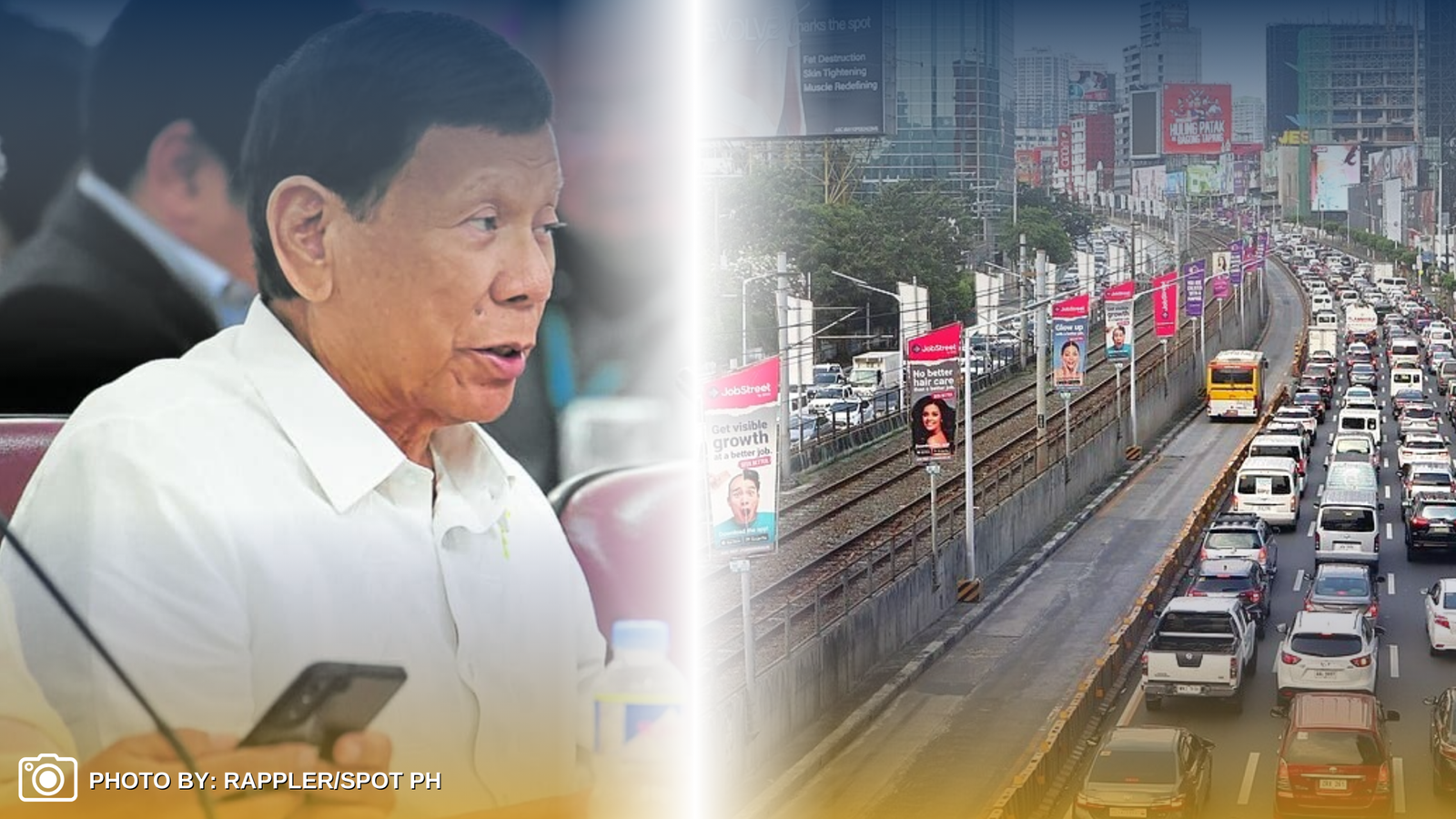
A historic week unfolds for the nation as the 40th anniversary of the EDSA People Power Revolution overlaps with a pivotal legal moment for a former President Rodrigo Roa Duterte, drawing both remembrance and global scrutiny from February 23 to 27.
Commemorations of the 1986 uprising that restored democracy come as former President Rodrigo Duterte faces a critical pre-trial stage at the International Criminal Court (ICC) in The Hague, spotlighting issues of justice and accountability both at home and abroad.
EDSA at 40: Reflection and Action
This week marks the 40th anniversary of the EDSA People Power Revolution, a defining moment in Philippine history that ousted dictatorship and restored democratic governance on February 25, 1986.
Commemoration activities are underway across the country. Several Catholic schools have suspended classes to observe the anniversary, a practice that reflects the solemnity of the occasion.
Organizers and civil society groups have also announced protests and marches under the banner of “EDSA 40,” urging renewed vigilance against political abuses and calls for reforms such as passage of an anti-political dynasty law highlighted by church leaders.
Religious voices warn of “moral fatigue” if the lessons of EDSA are treated merely as history rather than a call to duty for active citizenship.
ICC Confirmation of Charges Hearing
At the same time, a major legal proceeding begins on Monday, Feb. 23, at the ICC — a key pre-trial phase known as the confirmation of charges hearing concerning allegations of crimes against humanity tied to Duterte’s controversial war on drugs.
The hearing is scheduled on Feb. 23, 24, 26, and 27 and will determine if there is sufficient evidence for the case to proceed to full trial.
Rather than a trial, this stage focuses on whether evidence presented by both the prosecution and defense meets the threshold needed to move forward.
Duterte has waived his right to attend in person, allowing sessions to proceed without his presence, after the ICC granted the request under Article 61 of the Rome Statute.
Both sides, including the prosecution, defense, and legal representatives of victims, will present oral arguments during the sessions.
The ICC maintains that if charges are confirmed, any subsequent trial requires the accused’s presence under international law.
Intersection of History and Accountability
The concurrence of these events, EDSA remembrance and an international legal reckoning fuels national discussion on democratic values, justice, and leadership responsibility.
While EDSA serves as a symbol of collective action against authoritarianism, the ICC hearing underscores ongoing global efforts to uphold human rights and legal accountability.
Television networks such as GMA Integrated News are providing special coverage live from The Hague and local commemorations, offering comprehensive reporting from Feb. 23 through Feb. 27.
For many Filipinos, this week embodies both reflection on the past and a critical look at the present and future of governance and justice.